
Canada’s Food Economy
Food Processing Skills Canada has partnered with Food Producers of Canada and the Canadian Food Innovation Network to engage with leaders in industry, government and across the sector’s stakeholder community to share the incredible story of Canada’s food economy — one of the nation’s greatest strategic advantages.
Across the entire value chain, from agriculture and food manufacturing to distribution, retail, and foodservice, more than 2.36 million Canadians — 11.4% of the national workforce — contribute to a system that sustains the country. Together, they operate more than 397,000 establishments that anchor communities, drive innovation, and generate over $143 billion in GDP.
The food economy forms the foundation of Canada’s prosperity, food security, and economic sovereignty. Yet, the food and beverage sector as a whole has a forecasted labour need of more than 300,000 new hires by 2030. A requirement that is both a challenge and an opportunity.
Recognizing the strategic importance of the food economy and investing in workforce development and human capital are essential to securing Canada’s future. These investments will not only strengthen the nation’s food system but also reinforce Canada’s competitiveness and leadership globally.
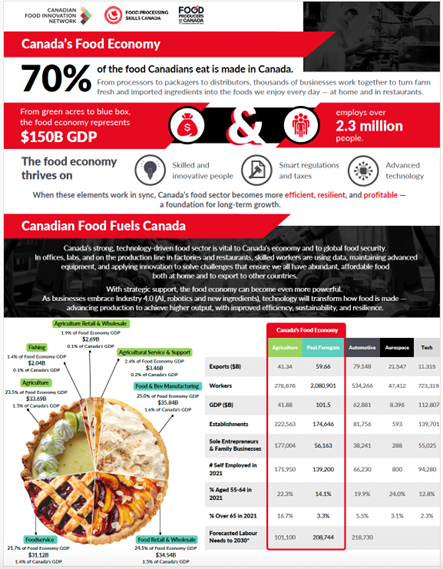
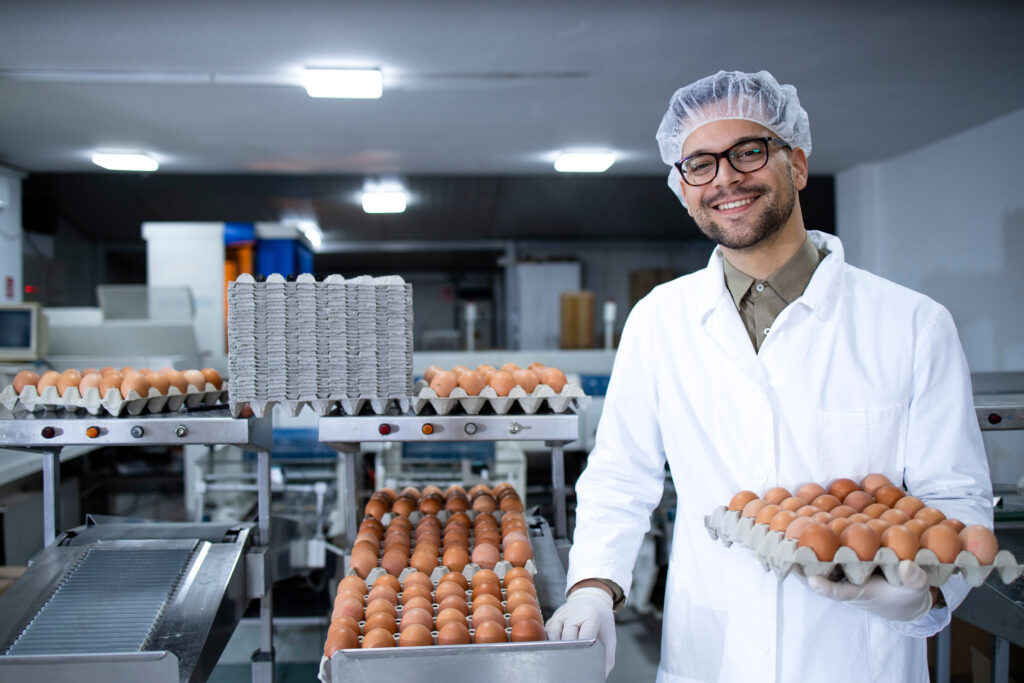
Food and beverage manufacturing is the engine behind Canada’s food economy. It is the largest manufacturing sector in Canada by employment — providing jobs for 315,589 people in 2024 — and also the largest in GDP contributing $35.8 billion.
However, this sector requires over 90,000 new hires or nearly one-third of its current workforce by 2030 to sustain growth and replace retiring workers. Our research tells us that seven in ten employers are facing recruitment and retention challenges, and 40% do not have dedicated HR support.
But the challenges are not insurmountable. Together, with leaders and advocates of Canada’s food and beverage industry, we are developing and implementing solutions that reflect the incredible powerhouse that this sector truly is. Join us by sharing your story.