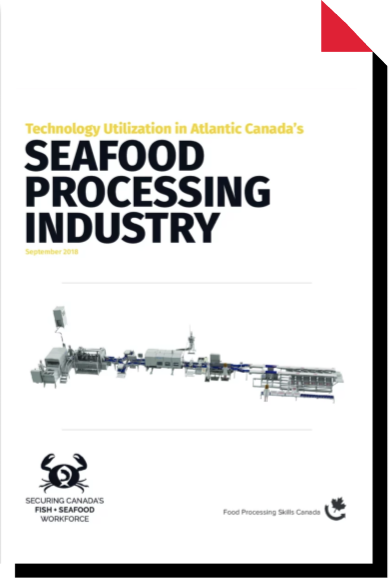
Throughout Atlantic Canada, the seafood processing sector mainly comprises independently owned plants, with few vertically integrated companies. Most plants focus on primary processing of fisheries or aquaculture products, often as seasonal employers, though aquaculture plants may operate year-round. The industry is undergoing transition due to resource declines, quota fluctuations, and consolidation, which is slow and influenced by regulations and market conditions. Consolidation helps profitability but limits investment and growth. These challenges impact human resources, with recruitment and retention difficulties due to an aging workforce and competition from other sectors offering better wages and stability. Strategies like recruiting foreign workers, engaging Indigenous communities, and increasing automation are being explored. Food Processing Skills Canada conducted this study to create a comprehensive report on HR challenges and best practices to support the sector’s sustainability. This study investigates four major themes: labour source profiles, labour source analysis, occupational analysis, worker compensation, and demand projection.
Insights in This Report:
The Canadian seafood sector employs approximately 17,000 individuals, with a gross output of $7.9 billion and approximate exports more than $5.9 billion (2015).
Challenges with access to H-2B visas have caused some processors to look for alternatives to meet their labour challenges. Such alternatives include: (1) advocating for a dedicated “seafood visa”; and (2) turning to advanced processing technologies and the incorporation of robotics into their processing lines.
Canadian seafood processing companies are generally risk averse and reluctant to invest in technology research and development (R&D) hence they want off-the-shelf solutions.